Knowledge
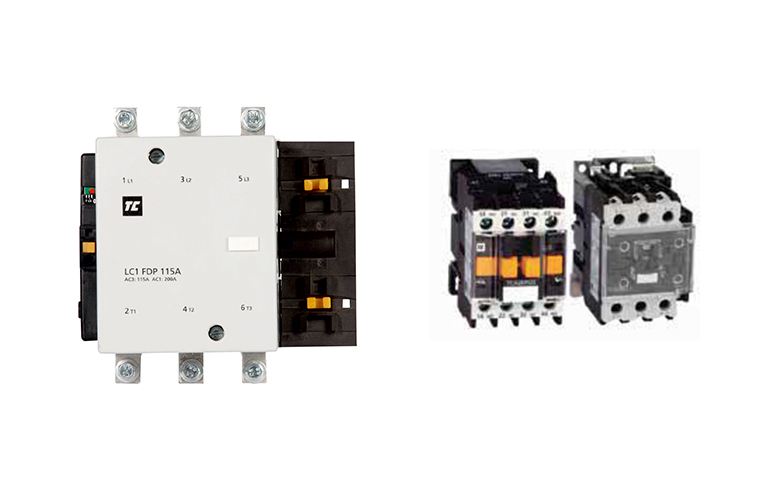
Contactor vs Control Relay: Difference between Contactor and Control Relay
Contactors and Control relays are electrically operated switches used for switching of loads and for controlling the electrical circuit respectively. Generally the medium of quenching of arc is air, so they are called air break contactors & air break control…
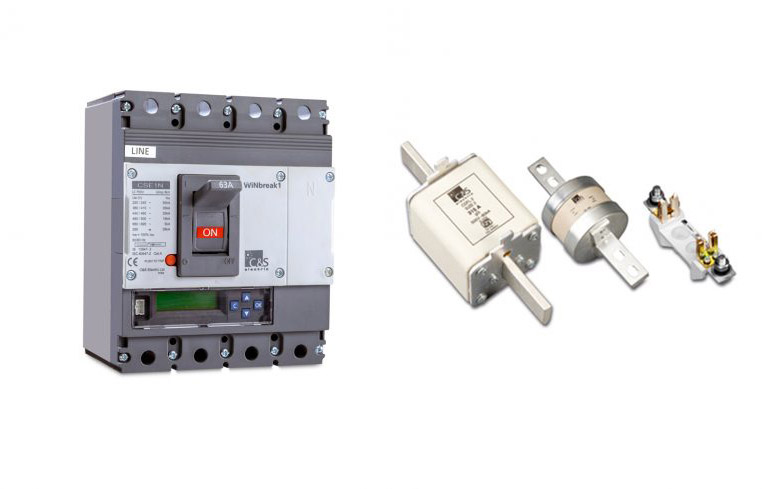
Difference Between Fuse & Circuit Breaker
In an electrical system ‘Fault’ is the condition which arise due to the malfunctioning of some component or wrong electrical practice. The fault may lead to a very dangerous situations such as explosion & fire if not cleared timely, not…
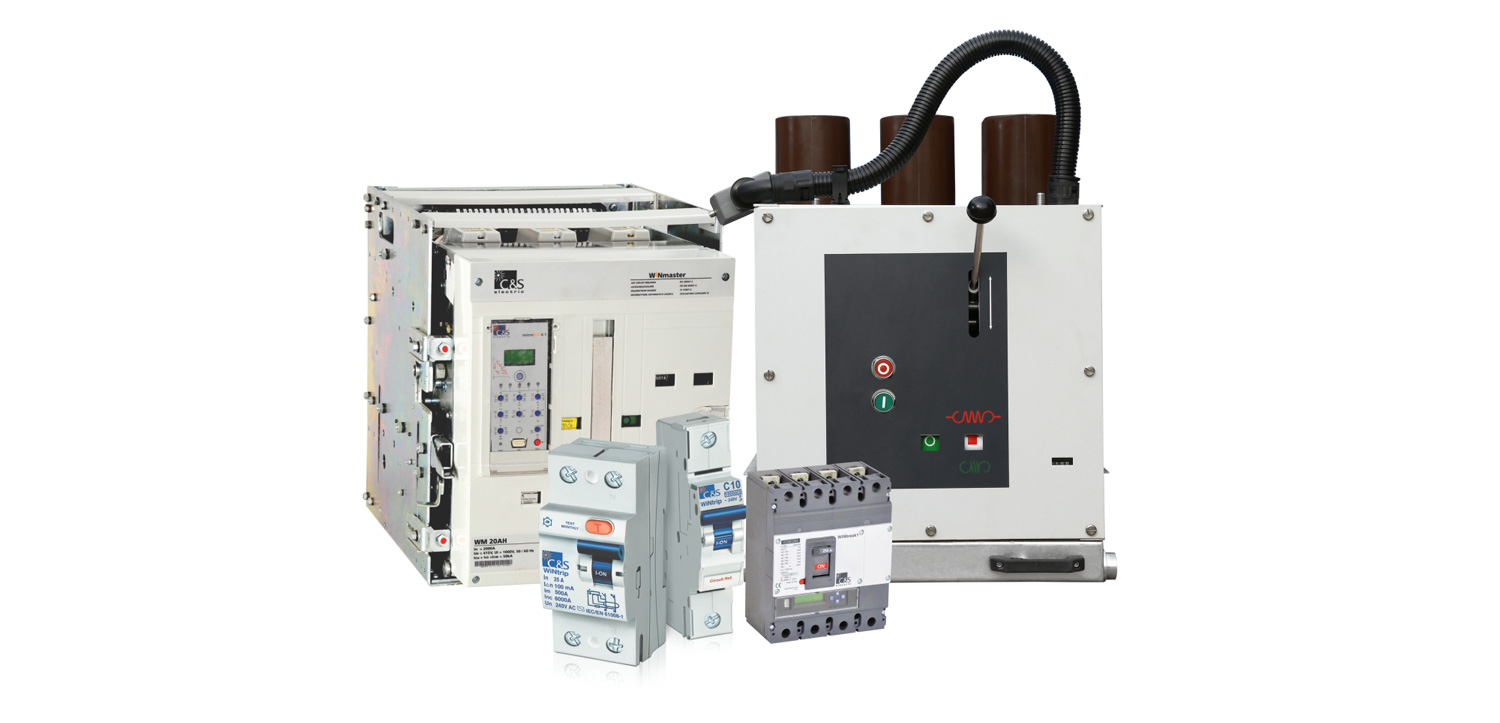
Everything About Circuit Breakers: Types and Applications
What is CIRCUIT BREAKER The circuit breaker is a switching device which also offers protection by tripping & cutting off the supply to load in case of fault. Primarily the circuit breakers are used for switching of different kinds of…
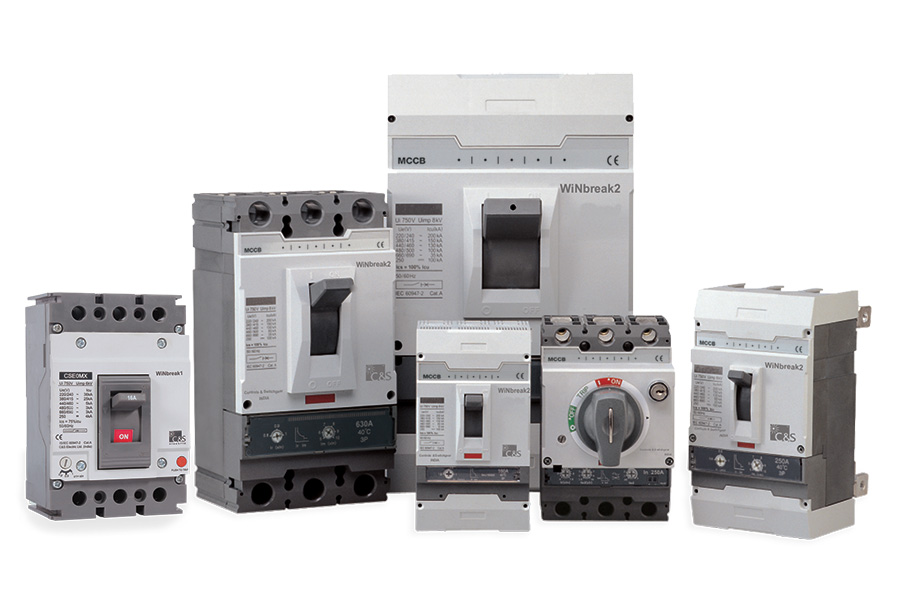
MCCB: Uses, Applications & Advantages
MCCB is the device which is manufactured as an integral inner supporting and enclosed housing of insulating material. It is required for making, carrying and breaking currents between separate contacts under normal circuit condition and abnormal circuit condition such as…
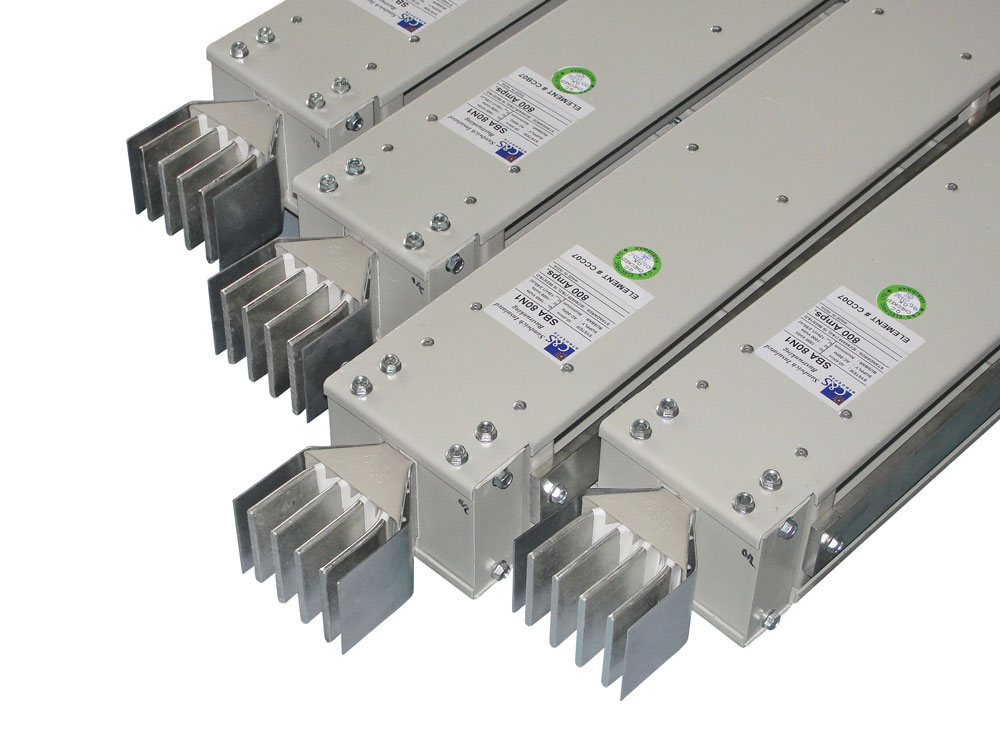
Advantages of Busbar Trunking System Over Conventional Cable Distribution Systems
A busbar trunking system distributes electrical power through solid copper or aluminium bars housed in a protective enclosure, rather than through individually insulated cables. It's also known as a busway, a busbar distribution system, an electrical busbar system, or a…

Circuit Breakers- Discrimination and Its Techniques
A circuit breaker is a switching device which can be operated manually and automatically for control and protection of electrical power circuit. The primary purpose of a circuit breaker is to protect the system from the damage in series connected…